The technology partners behind our work.
Manifest pairs hands-on, in-house clinical care with a select group of technology and manufacturing partners, so patients get advanced design and proven systems, fit and supported locally across our Florida clinics.
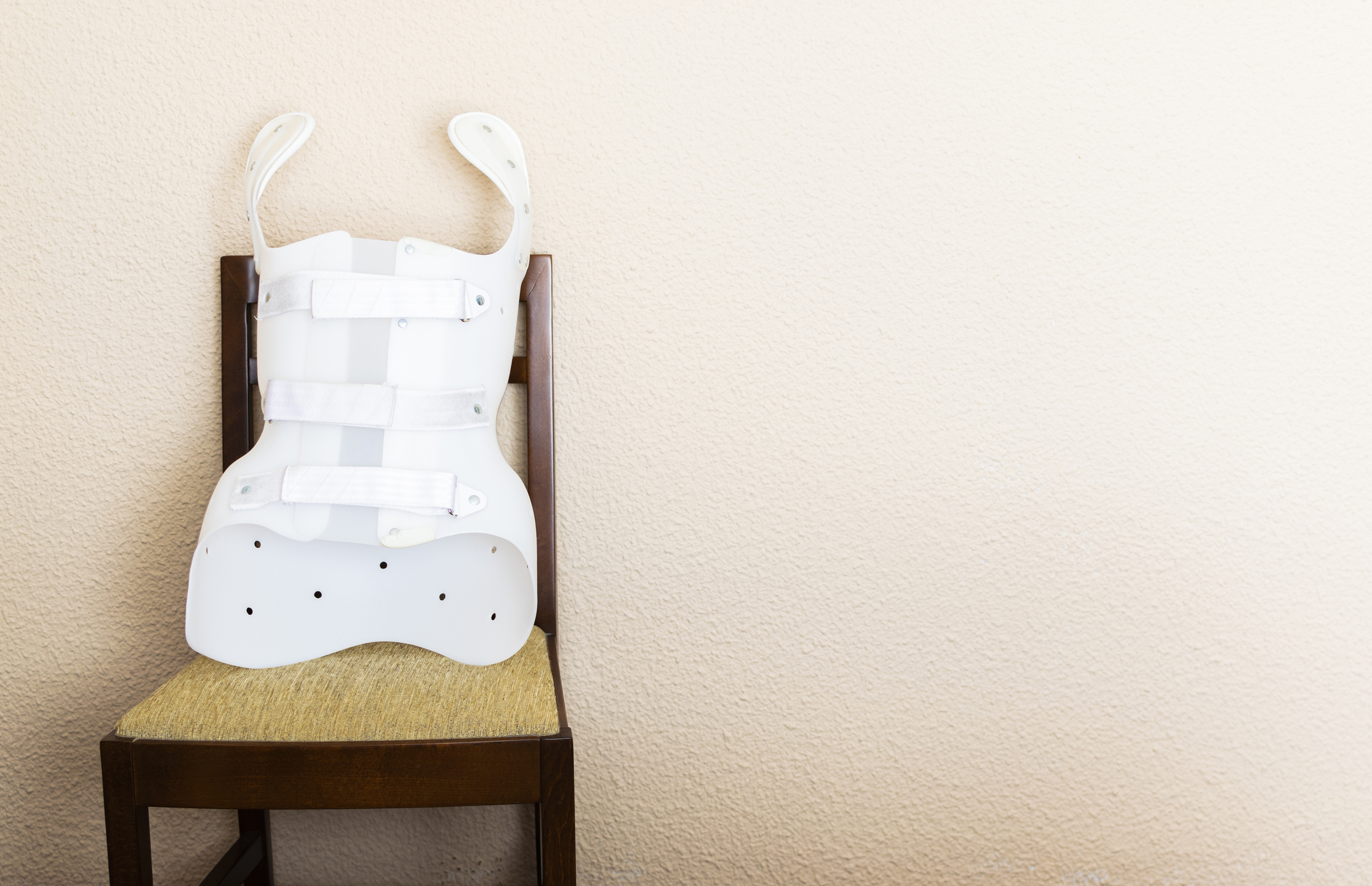
GOSS, Gomez Orthotic Spinal Systems.
GOSS is a CAD-CAM, three-plane approach to scoliosis and spinal-deformity bracing developed by Dr. Miguel Gómez, MD, who also serves as a Senior Advisor at Manifest. Its protocol corrects alignment in the sagittal, coronal, and transverse planes for more comprehensive correction than traditional bracing.
Designed and fabricated in the GOSS lab, then fit, refined, and supported by our clinicians in Florida.
Visit GOSS →A modern, three-dimensional approach to spinal bracing.
The Gomez Orthotic Spinal System corrects spinal deformity in all three planes using CAD-CAM design and a custom, asymmetrical brace, a conservative alternative to surgery for many patients with idiopathic scoliosis.
Philosophy & core principles
Treats the spine as an integrated whole, focusing on alignment, equilibrium, and stability, not just curve magnitude.
Clinical evaluation protocol
Photographic documentation of posture, flexibility assessment, full-body measurements, and optional imaging.
3D correction via CAD-CAM
Corrects deformities in the sagittal, coronal, and transverse planes, beyond what conventional methods achieve.
Rodin 4D® system
The GOSS lab uses a Rodin 4D scanner, software, and carver for precise, repeatable brace fabrication.
Custom asymmetrical brace
Each brace is uniquely shaped from the patient’s 3D data to apply corrective forces in multiple planes.
Conservative & non-invasive
A non-surgical option for spinal deformities, particularly idiopathic scoliosis.
Evidence-based
The GOSS method has been presented in peer-reviewed literature, validating its clinical framework.
Global expertise, local care
Specialized lab fabrication combined with hands-on fitting and lifelong support from our clinicians in Florida.
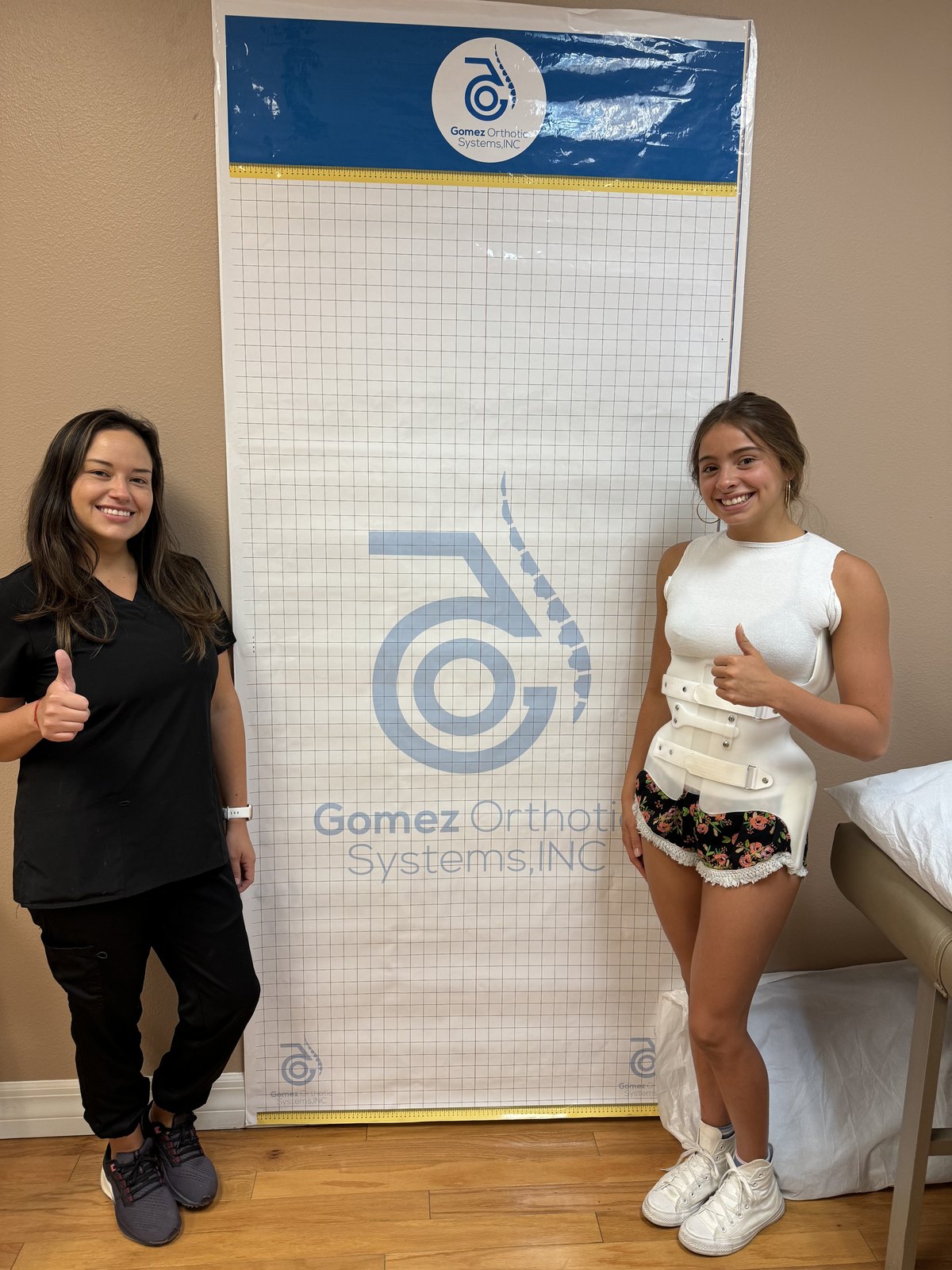
From first evaluation to final fit.
The GOSS pathway pairs digital precision with hands-on clinical judgment at every step.
Initial consultation & assessment
Evaluation of patient history, posture, pain, flexibility, and treatment goals.
Photographic & postural documentation
Standardized photos in multiple planes to map alignment and imbalance.
Flexibility & corrective testing
Movements that reveal the spine’s corrective potential in each plane.
Data submission for CAD design
Measurements and postural data generate a precise 3D brace model.
Manufacture in the GOSS lab
Fabricated on the Rodin 4D system for an accurate, repeatable fit.
Final fitting & adjustment
The brace is refined by our clinicians in Florida for comfort and proper alignment.
Follow-up & monitoring
Regular check-ins and imaging to track progress and adjust as the patient grows or changes.
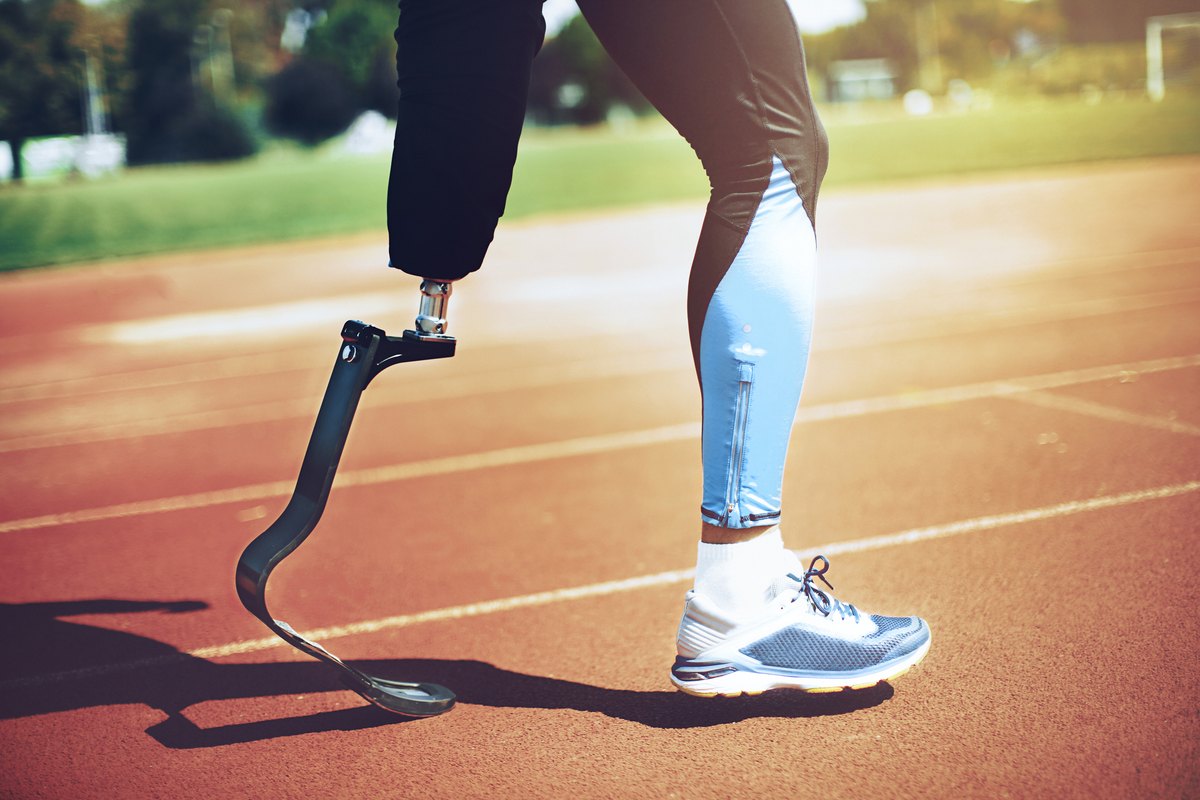
Limber.
Limber makes the world’s first fully 3D-printed transtibial prosthesis, up to 40% lighter than conventional devices and fabricated from a scan in roughly two weeks. The device comes off the printer as a single unified piece, no manual socket assembly, no multiple check sockets.
We merge Limber’s digital workflow, 3D scanning, CAD modeling, and additive manufacturing, with our clinical fitting and follow-through.
One printed piece, engineered for everyday life.
The Limber UniLeg is the world’s first fully 3D-printed transtibial prosthesis, with the socket and structure produced as a single integrated piece.
The UniLeg
Socket and supporting structure print together as one unified piece, no manual socket assembly and no multiple check sockets.
Up to 40% lighter
Markedly lighter than conventional devices, which reduces the energy it takes to walk and stay active.
Engineered material
Printed from a custom in-house filament with an optimized strength-to-weight ratio and bio-inspired structural geometry.
Water-resistant
Built to handle aquatic and high-moisture environments, so the device fits more of real life.
Tested to standard
Validated to ISO 10328:2016 at P6, passing more than 3 million cycles with an ultimate load over 1,000 lbf, and meets AOPA functional testing.
Made under FDA registration
Produced with patented processes in an FDA-registered, licensed facility.
From scan to a device you can live in.
We pair Limber’s digital manufacturing with hands-on clinical fitting and follow-through at Manifest.
Digital scan & assessment
We capture a 3D scan of the residual limb and review your goals, activity level, and history.
CAD socket design
The scan drives a custom digital model of the socket and integrated structure.
Additive manufacturing
The UniLeg is printed as a single unified piece from Limber’s engineered filament.
Fitting & alignment
Our clinicians fit, align, and fine-tune the device for comfort and function.
Follow-up & support
Ongoing adjustments and follow-through as you adapt and stay active.
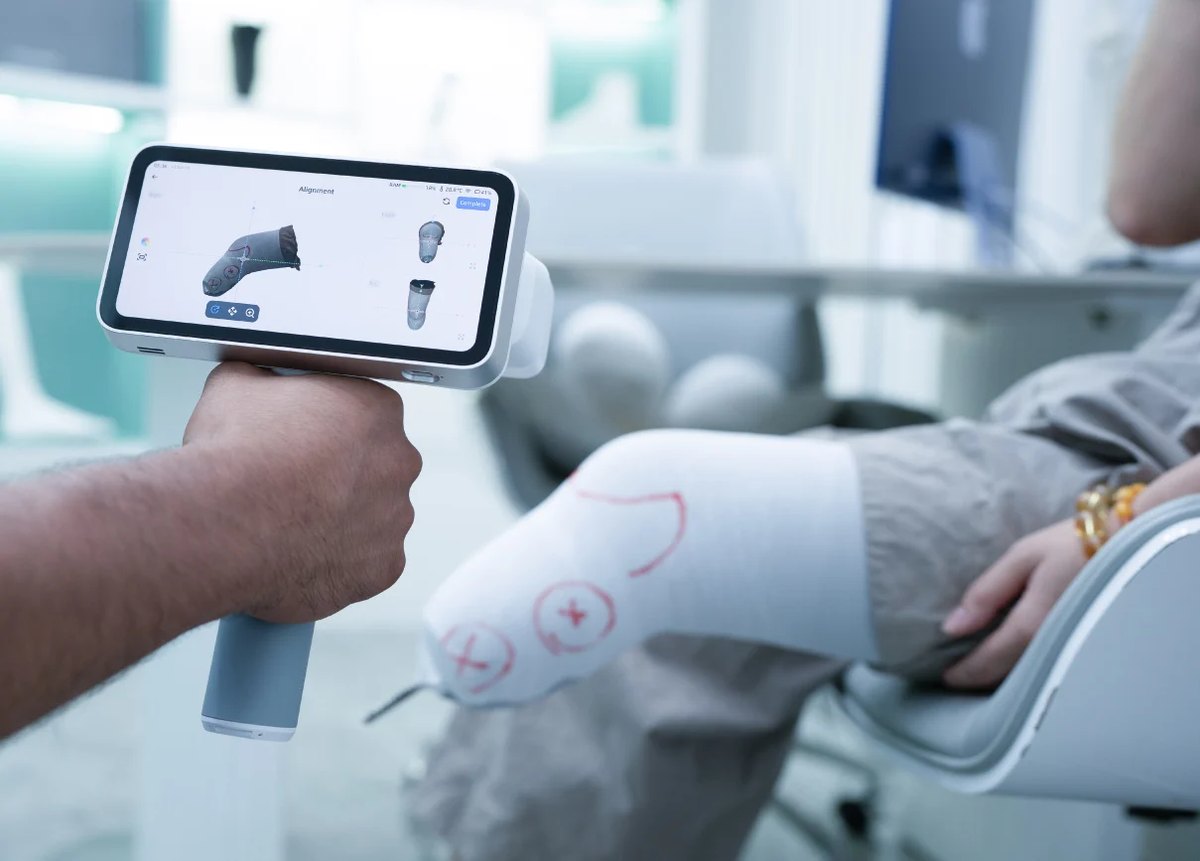
Shining3D.
Shining3D is a global developer of 3D scanning and digital-manufacturing technology. Their precise, contactless capture supports the digital workflows behind our custom device design, cleaner data in, better-fitting devices out.
Visit Shining3D →Advanced technology.
Local, hands-on care.
Free consultations. Whatever the technology, the fitting and follow-up happen with our clinicians in Florida.
Book a consultation Call (813) 801-9110